Home Automation in Connecticut: What Luxury Homeowners Need to Know
Key Takeaways
- Home automation in Connecticut connects lighting, shades, climate, audio, video, security, and networking into one system you control from a keypad, app, or voice.
- Luxury home automation is defined less by gadgets and more by design, wiring, and programming that make the whole house respond the way you live.
- Connecticut’s high electricity costs make automated lighting, shading, and climate control more valuable here than in most states.
- A strong network is the foundation of every automated home, and enterprise-grade WiFi prevents most of the problems homeowners blame on “smart” devices.
- Home automation cost depends on scope: how many rooms, which systems, and whether the home is under construction or already finished.
- Choosing a certified local integrator for home automation in Greenwich, Westport, and across Fairfield County means one team designs, installs, and supports the system for years.
If you own a large home in Fairfield County, you’ve probably collected a drawer full of apps. One for the thermostat, one for the cameras, one for the music, and another for the shades. Each works on its own. None of them work together. Home automation fixes that, and it changes how the house feels to live in.
Interest in connected homes is broad, not niche. According to the National Association of Home Builders’ What Home Buyers Really Want survey, 16 of the 19 technology features studied were rated essential or desirable by at least half of buyers, and the most wanted features centered on energy efficiency and safety.
In this post, you’ll learn:
- What home automation in Connecticut includes for a luxury property
- Why Connecticut homeowners get more value from automation than most
- How to plan a system for a new build or an existing home
- What drives home automation cost
- How to choose the right integrator
What Is Smart Home Automation?
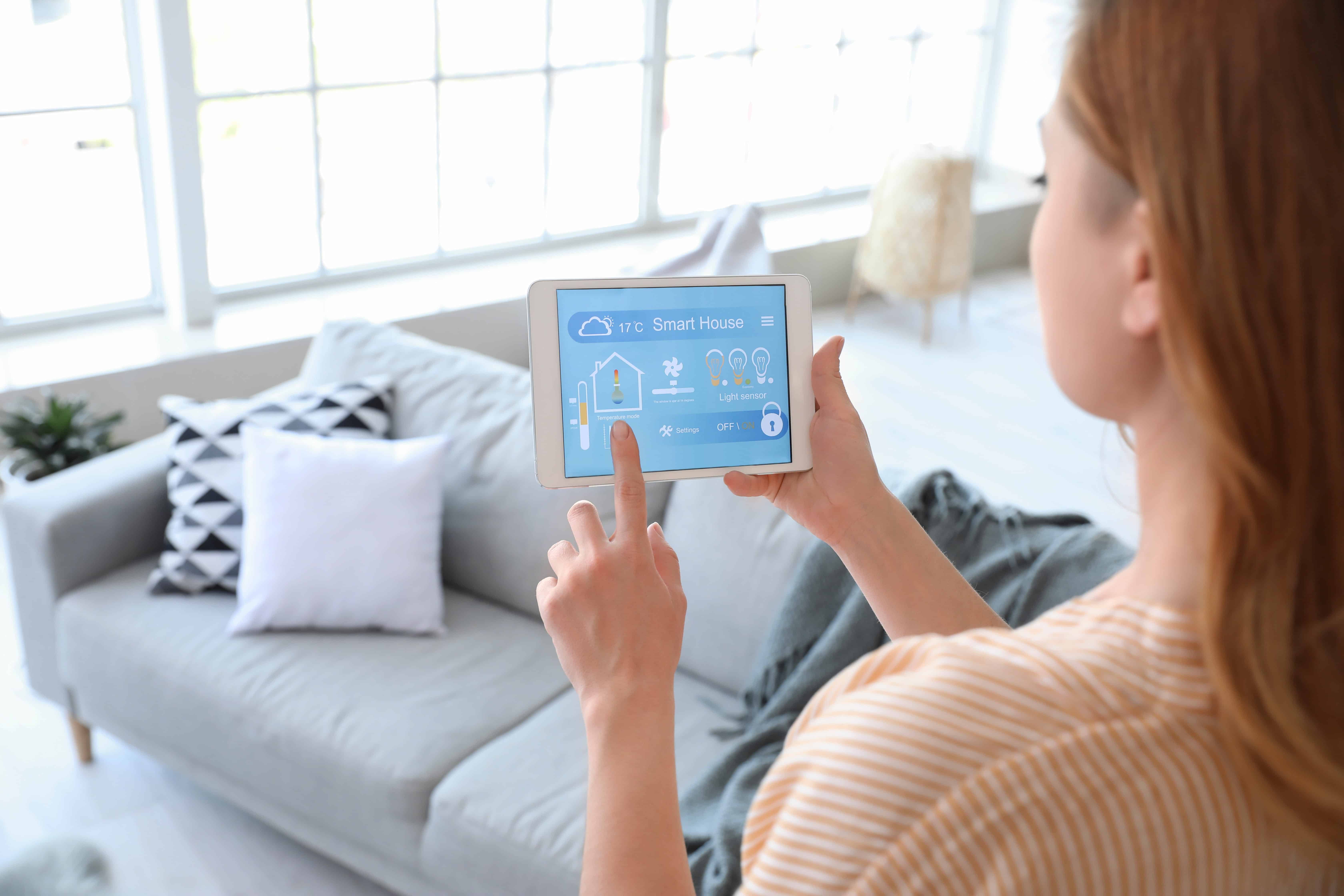
Smart home automation is a system that links the independent technology in your home so it works as one. Instead of controlling each device separately, a central processor coordinates lighting, climate, shades, entertainment, security, and access. You control everything from a single app, a wall keypad, a remote, or your voice.
The difference between consumer smart devices and true luxury home automation is integration. A smart bulb is a product. An automated home is a designed system with dedicated wiring, a central controller, and custom programming built around your routines.
What Systems Can Be Automated?
Most Connecticut luxury homes automate some or all of the following:
- Lighting and shades: Scenes that set every light and shade in a room with one button press
- Climate control: Zoned heating and cooling that adjusts to occupancy and schedules
- Whole house audio and video: Music and TV distributed to any room from a central rack
- Security and surveillance: Cameras, locks, alarm, and intercom viewable from anywhere
- Networking: Wired and wireless coverage that supports every device on the property
- Outdoor spaces: Landscape lighting, outdoor audio, and pool or spa equipment
What Is the Best Home Automation Hub?
For a luxury home, the best home automation hub is a professional control platform, not a plug-in consumer hub. Platforms such as Control4 and Savant run on dedicated processors, support thousands of devices, and are programmed by certified dealers. Consumer hubs work well for a few rooms, but they rarely handle whole-home lighting, multi-zone audio, and security in one reliable interface.
Why Home Automation Matters More in Connecticut
Connecticut homeowners face a cost reality that makes automation practical, not just convenient. Based on preliminary U.S. Energy Information Administration data, Connecticut had the second-highest average annual electric bills in the nation in 2025, trailing only Hawaii.
When every kilowatt-hour costs more, automated systems that reduce waste pay back faster. Key savings drivers include:
- Scheduled and occupancy-based lighting that turns off lights in empty rooms
- Automated shades that block summer heat gain and hold in winter warmth
- Smart climate control that adjusts setbacks when you’re away or asleep
- Energy monitoring that shows where power goes so you can act on it
Climate control alone adds up. ENERGY STAR reports that certified smart thermostats save about 8% on heating and cooling bills on average, with greater savings possible depending on climate, occupancy, and HVAC equipment.
Seasonal Living in Fairfield County
Connecticut’s four seasons give automation more to do. Many luxury homeowners here also travel often or keep a second home. Remote monitoring lets you check cameras, confirm doors are locked, and adjust heat before a winter freeze from anywhere.
Planning Luxury Home Automation: New Build vs. Existing Home
The best time to plan home automation in Connecticut is before the walls close. However, existing homes can still get excellent results with the right approach.
| Factor | New Construction | Existing Home |
|---|---|---|
| Wiring | Structured cabling run during framing | Wireless devices plus targeted wire runs |
| Disruption | None to daily life | Some patching and painting in key areas |
| Design flexibility | Full control over keypad, speaker, and rack locations | Works around existing finishes |
| Best for | Whole-home lighting control and distributed AV | Phased upgrades, room by room |
| Timeline | Coordinated with the builder’s schedule | Often completed in days to weeks |
Questions to Answer Before You Start
- Which rooms matter most to you day to day?
- Do you want one app for everything, or keypads on the wall as well?
- How many people will use the system, and how comfortable are they with technology?
- Are you planning a renovation that opens walls in the next few years?
How Much Does Home Automation Cost?
Home automation cost varies with scope, so a single number rarely helps. A two-room setup and a fully integrated estate are different projects. The main factors include:
- Number of rooms and subsystems being integrated
- Control platform and the hardware it requires
- Lighting control type, such as wireless dimmers or centralized panel systems
- Audio and video zones, including any dedicated home theater
- Network size, especially for large homes, guest houses, and outdoor areas
- Construction stage, since pre-wiring during a build costs less than retrofitting later
A good integrator provides a detailed proposal after a walkthrough, so you see exactly what each system adds before you commit.
How to Choose a Home Automation Integrator in Connecticut
The integrator you choose matters as much as the equipment. A well-designed system is invisible and reliable. A poorly designed one generates service calls. Look for:
- Manufacturer authorizations for platforms such as Control4, Savant, and Lutron
- CEDIA membership, which signals commitment to industry training and best practices
- A local service team that can respond quickly in Fairfield and Westchester Counties
- Network expertise, because unreliable WiFi undermines every connected device
- A clear process from design and proposal through installation, training, and support
- Reviews and a portfolio of projects similar in size to your home
You can see how a fully integrated system comes together on Lifetronic’s home automation services page, including the subsystems most luxury homeowners connect first.
Why Connecticut Homeowners Choose Lifetronic Systems
Lifetronic Systems has designed and installed home automation in Connecticut for luxury residences across Fairfield County and Westchester County, with offices in Westport and Greenwich. Our team handles every stage of the project, so you work with one point of contact from the first conversation through long-term support.
What Lifetronic brings to your project:
- Authorized dealer partnerships including Control4, Sonos, and Coastal Source, plus work with Savant, Lutron, and Josh.ai
- CEDIA membership and a team trained in current integration best practices
- Enterprise-grade networking built on trusted brands such as Ruckus Wireless
- New construction and retrofit experience, including coordination with builders and architects
- Local service for homes in Greenwich, Westport, Darien, New Canaan, Fairfield, and beyond
Homeowners consistently tell us the system is easy to use, which is the real measure of good design. If you live in Greenwich, our team also offers dedicated home automation services in Greenwich, CT from our Putnam Avenue office.
Ready to see what an automated home could look like for your family? Request a smart home consultation with Lifetronic Systems and we’ll walk through your goals, your home, and a plan that fits both.
FAQs: Home Automation in Connecticut
What is smart home automation?
Smart home automation is a system that connects lighting, climate, shades, audio, video, security, and networking so they work together from one interface. A central controller coordinates every device based on schedules, scenes, sensors, and your commands. In luxury homes, smart home automation is professionally designed, wired, and programmed rather than assembled from individual consumer gadgets.
How much does home automation cost?
Home automation cost depends on how many rooms and systems you integrate, the control platform, and whether the home is under construction. A single room with lighting and climate control costs far less than whole-home integration with distributed audio, video, shades, and security. The most accurate way to price a project is a walkthrough followed by an itemized proposal from a local integrator.
What is the best home automation hub for a large home?
The best home automation hub for a large home is a professional control platform such as Control4 or Savant installed by a certified dealer. These systems run on dedicated processors and handle whole-home lighting, multi-zone audio, video, climate, and security reliably. Consumer hubs are better suited to smaller setups with a limited number of devices.
Is home automation in Connecticut worth it?
For most luxury homeowners, home automation in Connecticut is worth it because of convenience, security, and energy savings. Connecticut’s electricity costs rank among the highest in the country, so automated lighting, shading, and climate control deliver more value here than in lower-cost states. Remote monitoring also helps homeowners who travel or own seasonal properties.
Can you add luxury home automation to an existing home?
Yes, luxury home automation can be added to an existing home using a mix of wireless devices and targeted wiring. Integrators often phase the work room by room to limit disruption. Planning around a renovation, when walls are already open, makes it easier to add keypads, in-ceiling speakers, and network cabling.
How long does a home automation installation take?
Installation time depends on the size of the home and the scope of the project. A focused retrofit in an existing home can be completed in days to a few weeks. In new construction, the integrator works on the builder’s schedule, with wiring during framing and final installation after finishes are complete.