
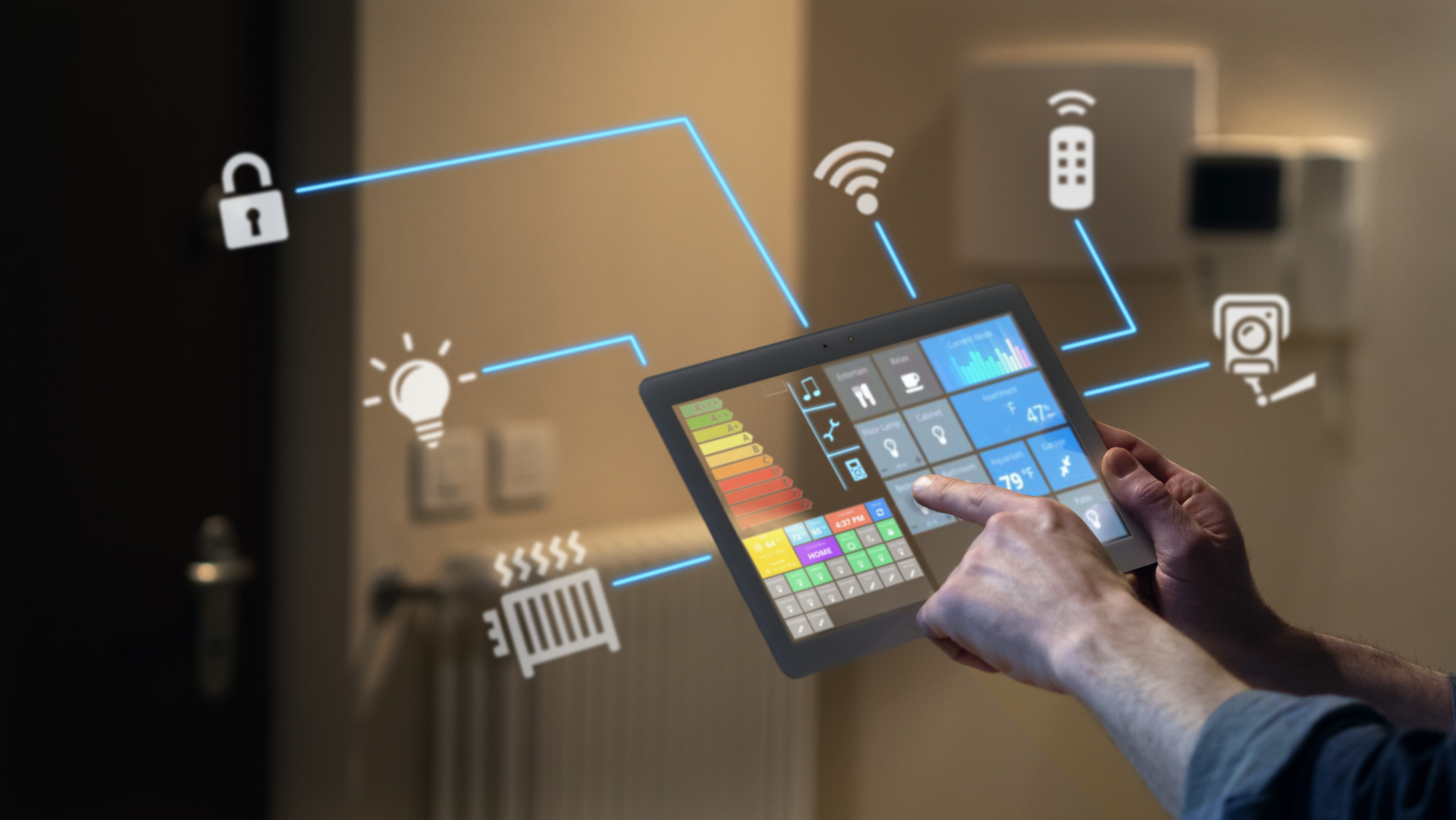
Is a smart home worth it? It’s a fair question. Smart home technology has a real upfront cost. So it’s reasonable to want proof of what you get for it.
Here’s the short answer. For most homeowners, yes. A well-designed system pays off in daily convenience, energy savings, and long-term resale value. That said, the details matter. Not every setup earns its price tag.
What Counts as a Smart Home Today
A true smart home goes beyond a smart speaker and a couple of bulbs. It usually means home automation that ties together lighting, climate, security, and entertainment. It runs on one system. It also needs a reliable WiFi network built to support it. In fact, 78% of buyers now consider smart home features important when house-hunting. Most say they’d pay more for a home that already has them.
The Case For: Convenience, Security, and Savings
The everyday benefits are usually what homeowners notice first. Lighting and shade control adjusts on its own. Climate zones keep every room comfortable. They also cut down on wasted energy. Security and surveillance lets you check the house from your phone. Together, these add up to a home that’s simply easier to live in.
There’s a financial upside, too. Many insurers offer a homeowners insurance discount of 5% to 20% for a monitored security system. Over a few years, that discount can offset a real chunk of the upfront cost.
On top of that, research on smart home property values points to a real gain in marketability. It also shows a gain in resale price, but only when the systems are connected well.
The Case Against: What to Watch Out For
A smart home isn’t automatically worth it. It depends on how it’s installed. A pile of mismatched gadgets, each with its own app, often creates more frustration than convenience. Standalone devices also struggle on weak home WiFi. Add in ongoing fees, and DIY setups can turn into a source of compatibility issues. They can also void warranties.
This is exactly where the gap shows up. On one side sits a hobbyist setup. On the other sits a professionally designed system.
DIY vs. Professionally Integrated Systems
DIY kits work fine for a single room. Whole-home setups are a different project entirely. They involve structured wiring and network design. They also mean programming multiple systems to work together well.
For larger or higher-end homes, pro-installed platforms like Control4, Savant, and Lutron beat a DIY approach. They hold up better. They resell better. They also stay easier to use over time. You can see examples of that kind of work in our project portfolio, and you can read about how our design and installation process works before you commit to anything.
So, Is a Smart Home Worth It for Fairfield & Westchester Homeowners?
Buyers here already expect a high standard of finish. A smart home isn’t competing against a bare-bones house. It’s competing against other high-end homes that may already have these systems. For homeowners in Connecticut and New York luxury markets, that changes the math. A professionally installed system is less of a gamble. It’s more of a baseline expectation.
Is a Smart Home Worth It If You’re Not Selling Soon?
Resale value is only half the story. If you plan to stay put for years, is a smart home worth it just for daily life? For most people, yes. You save time on small daily tasks, like locking up or adjusting the heat. You also gain peace of mind while traveling, since you can check cameras and locks from anywhere.
Lower energy bills add up over the years you live there, not just at closing. That’s a return you get to enjoy yourself, long before any future buyer does. If you want a sense of what that looks like day to day, client reviews are a good place to see how other Fairfield and Westchester homeowners describe living with their systems.
A Quick Way to Decide If It’s Worth It For You
So, is a smart home worth it for your household? If most of the following sound like you, the answer is likely yes:
- You plan to stay long enough to benefit from lower energy bills, or you’re preparing to sell into a competitive market
- You already juggle several unconnected apps for lighting, security, or climate, and it’s more annoying than convenient
- Your home’s WiFi already struggles to keep up with the devices you have now
- You want the resale advantage of a documented, professionally installed system
- You travel often and want peace of mind about your home while you’re away
If none of that applies yet, start small. A smart thermostat or a video doorbell is a reasonable way to test the waters first.
Not sure where to start? Download our free guide, ‘Solutions for a Smart Home’, or schedule a free consultation with our team.
Frequently Asked Questions
Is a smart home worth it?
For most homeowners, yes. This is especially true when the system is professionally designed. Energy savings, everyday convenience, and added resale value tend to outweigh the upfront cost over time.
What’s the biggest mistake homeowners make with smart homes?
Buying disconnected devices one at a time, with no plan for how they’ll work together. That approach often leads to compatibility issues. It also leads to a system that’s harder to use, not easier.
Do smart homes require ongoing maintenance?
Professionally installed systems need far less day-to-day upkeep than a collection of separate gadgets. Even so, firmware updates and occasional service calls are normal for any connected system.
Should I choose DIY devices or a professional system?
DIY works fine for small, single-room upgrades. For whole-home integration, a professionally installed system is almost always more reliable. It also holds its value better.